

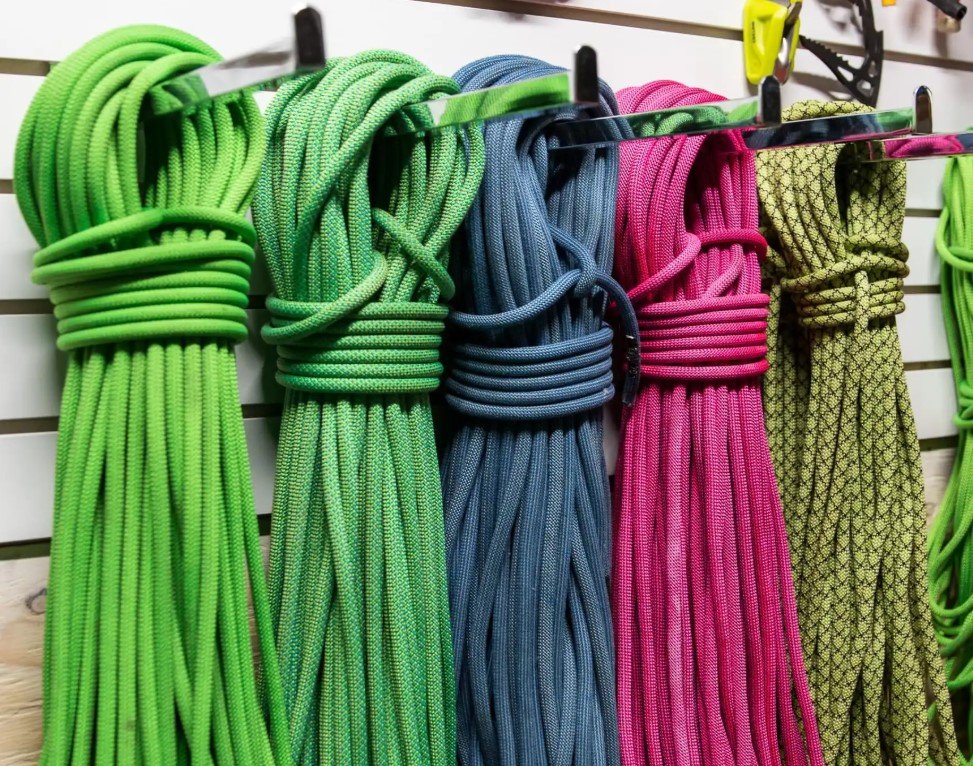
Few pieces of gear are as crucial to a climber’s safety and confidence as their rope. Whether you’re scaling an icy mountain face or exploring a rugged cliffside, your rope is literally your lifeline. Among the many types available, dynamic climbing ropes stand out for their ability to absorb impact and protect climbers from harsh falls. Choosing the right rope, understanding its technical ratings, and knowing how to care for it properly can make all the difference between a successful climb and a risky adventure.
This guide breaks down everything you need to know about dynamic climbing ropes—from how they work to what features to look for, how to interpret their ratings, and how to extend their lifespan through proper maintenance.
What Are Dynamic Climbing Ropes?
Dynamic climbing ropes are designed to stretch under load, which is a critical feature when a climber falls. The stretch, or “dynamic elongation,” absorbs the force of the fall and reduces the impact on both the climber and the anchor system. This makes them different from static ropes, which are primarily used for rappelling, hauling, or rescue operations where minimal stretch is preferred.
The elasticity of a dynamic rope is what makes it suitable for lead climbing, sport climbing, and mountaineering. The rope’s ability to absorb shock can prevent serious injuries and minimize the risk of anchor failure, providing a smoother and safer catch during a fall.
Types of Dynamic Climbing Ropes
Not all dynamic climbing ropes are the same. They come in several configurations, each suited for specific styles of climbing. Understanding these types will help you choose the best one for your next adventure.
1. Single Ropes
Single ropes are the most common type used for sport, gym, and trad climbing. As the name suggests, these are used on their own, without needing to pair with another rope. They typically range between 9.0mm and 10.5mm in diameter and are easy to handle and manage. If you’re just starting out or mainly climb indoors or on single-pitch routes, a single rope is your best choice.
2. Half Ropes (Double Ropes)
Half ropes are used in pairs and clipped alternately into protection points. This technique reduces rope drag and provides redundancy in case one rope is damaged by rock edges or falls. Half ropes are generally thinner, between 8.0mm and 9.0mm, and are ideal for long, wandering routes, trad climbs, and alpine adventures.
3. Twin Ropes
Twin ropes are also used in pairs, but unlike half ropes, both strands must always be clipped together into each piece of protection. They are lighter and thinner (around 7.0mm to 8.0mm) and provide added security for ice climbing and high-altitude expeditions. Twin ropes are perfect for climbers who need a backup and the option for longer rappels.
Key Features to Look For
When selecting dynamic climbing ropes, several features can determine how well the rope performs and how long it lasts. Here’s what to consider:
1. Diameter
The diameter affects the rope’s weight, durability, and handling. Thicker ropes (10mm and above) offer more durability and are ideal for frequent gym or top-rope use. Thinner ropes (8.5mm to 9.5mm) are lighter, making them perfect for long multi-pitch climbs or alpine routes where every gram matters.
2. Length
Standard rope lengths range from 50 to 80 meters. For most sport climbs, a 60-meter rope is sufficient, while longer routes may require a 70- or 80-meter rope. Always check the length of the routes you climb to ensure your rope is long enough for safe lowering and rappelling.
3. Weight
The rope’s weight is measured in grams per meter. Lighter ropes reduce fatigue on long climbs but may wear out faster. Balancing weight with durability is key, depending on your climbing style.
4. Dry Treatment
If you climb outdoors or in wet conditions, a dry-treated rope is essential. These dynamic climbing ropes have a water-repellent coating that prevents moisture from seeping into the core, maintaining strength and preventing freezing in cold conditions. For ice and alpine climbing, always choose a rope with both dry-treated sheath and core.
5. Sheath Proportion
The sheath (outer layer) protects the rope’s core from abrasion. Ropes with a higher sheath proportion are more resistant to wear and tear, making them ideal for rugged rock climbing environments.
6. Middle Mark or Bi-Pattern Design
A middle mark helps climbers identify the halfway point of the rope, which is crucial during rappels or belaying. Some ropes have bi-pattern designs—changes in the weave pattern—that eliminate the need for a middle mark and make handling easier.
Understanding Rope Ratings
Every rope sold for climbing is certified by the UIAA (International Climbing and Mountaineering Federation) and EN (European Norm) standards. Here’s what the key ratings mean:
1. Impact Force
This measures how much force is transferred to the climber during a fall. A lower impact force rating means the rope absorbs more energy, resulting in a softer catch and reduced strain on the body and gear.
2. Dynamic Elongation
This represents how much the rope stretches during the first fall. A good dynamic climbing rope typically stretches between 26% and 40%. More stretch means a softer fall, but too much can make lead climbing more challenging on overhanging routes.
3. Static Elongation
This measures how much the rope stretches when weighted but not in a fall, such as when you’re hanging on it. Lower static elongation provides more stability for top-roping and hauling gear.
4. Number of Falls
This rating indicates how many standard falls the rope can withstand before it’s considered unsafe. For single ropes, a minimum of five standard UIAA falls is required, but high-end models may handle ten or more.
5. Sheath Slippage and Abrasion Resistance
Good-quality dynamic climbing ropes have minimal sheath slippage and excellent abrasion resistance, ensuring longevity and consistent performance even after repeated use.
Proper Maintenance and Care Tips
A rope’s lifespan depends largely on how well it’s cared for. Here are essential maintenance tips to help you keep your dynamic climbing ropes in peak condition:
1. Keep It Clean
After climbing, gently shake out dirt and dust. For deeper cleaning, use lukewarm water and mild soap, then rinse thoroughly. Never use harsh detergents or bleach. Allow the rope to air dry away from direct sunlight or heat sources.
2. Use a Rope Bag
A rope bag prevents dirt and debris from grinding into the rope fibers, which can weaken them over time. Always lay your rope on a tarp or bag when belaying or coiling it on the ground.
3. Inspect Regularly
Before and after each climb, check your rope for flat spots, cuts, frayed sheath areas, or soft sections that indicate internal damage. If any major defects are found, retire the rope immediately.
4. Store Properly
Store your rope loosely coiled in a cool, dry place. Avoid storing it near chemicals, car trunks, or damp environments where mold could develop.
5. Retire When Needed
Most dynamic climbing ropes last between 3 to 5 years, depending on use. Heavy use—especially frequent falls, abrasion, or exposure to UV rays—may require replacement sooner. Always prioritize safety over saving money.
Choosing the Right Rope for Your Climbing Style
When buying dynamic climbing ropes, match your choice with the type of climbing you do most:
-
Gym climbing: Go for a durable 10mm+ single rope without dry treatment.
-
Sport climbing: A versatile 9.5–10mm single rope, preferably with a middle mark.
-
Trad or multi-pitch climbing: Opt for a lightweight 9.0mm–9.5mm single or half rope.
-
Alpine or ice climbing: Choose a dry-treated twin or half rope with a lighter weight and strong sheath.
Final Thoughts
Your rope is your most vital piece of climbing gear—an investment in both performance and safety. With the right choice of dynamic climbing ropes, you can tackle challenging routes with confidence, knowing your gear will respond when it matters most. Understanding rope features, interpreting ratings, and following proper maintenance practices will not only enhance your climbing experience but also extend the life of your rope.
