

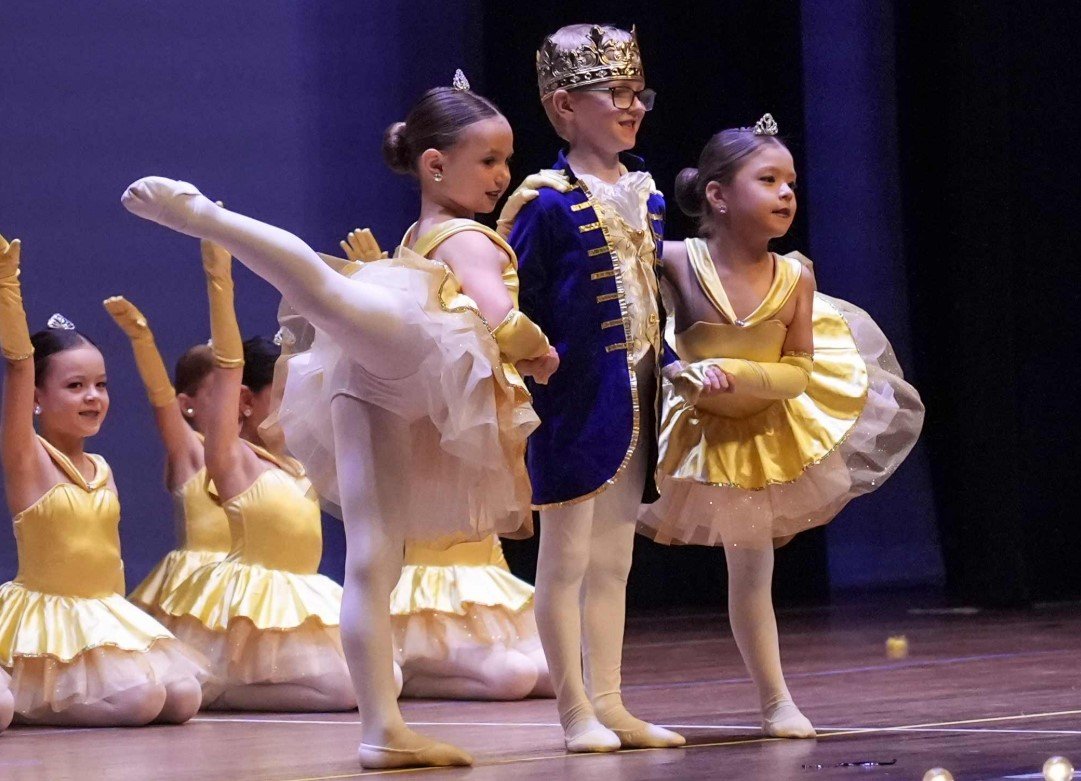
There’s something magical about watching a dancer step onto the stage and captivate everyone in the room. Whether you’re just starting your journey or looking to refine your artistry, boosting your dance performance skills is a rewarding investment in creativity, confidence, and technique. Becoming an exceptional performer isn’t just about knowing choreography—it’s about understanding musicality, expression, endurance, precision, and the emotional connection between movement and audience.
Understanding the Meaning of True Dance Performance
Many dancers assume that the performance aspect begins only when they step on stage. The truth is, every rehearsal, every practice session, every technical drill contributes to your overall dance performance skills. Performance includes:
- Execution of technical moves with clarity
- Emotional expression and storytelling
- Stage presence and audience engagement
- Command of timing and rhythm
- Memorization, confidence, and consistency
Dancers who balance both technique and artistry stand out in competitive and professional environments. Whether you dance hip-hop, ballet, contemporary, Bollywood, jazz, or ballroom, performance excellence applies across styles.
1. Master the Foundations First
Even the most advanced dancers return to basic drills. Foundations develop muscle memory, alignment, balance, and strength—everything needed to support high-level performance. If your basics are weak, the audience will notice.
- Practice posture, turnout, and footwork
- Spend time on isolations, plies, tendus, or grooves
- Slow down movements to understand body control
- Do repetitive drills, even if they seem boring
Great performers do not skip fundamentals—they perfect them.
2. Improve Musicality and Rhythm Awareness
Most dancers struggle not because they lack choreography, but because they lack musicality. Your dance performance skills improve drastically when you learn to “feel” the music instead of just following counts.
Try to:
- Dance to different genres of music
- Listen for layers (bass, melody, percussion)
- Practice freestyling to develop natural timing
- Record yourself to observe whether your movements hit the beat
Remember: you’re not just dancing to music—you’re dancing with music.
3. Strengthen Your Body and Conditioning
Performance stamina is built outside the dance studio. Conditioning helps prevent injuries, increase power, and maintain control even during demanding routines. Add cross-training like:
- Yoga or Pilates for flexibility and core strength
- Strength training for jumps and lifts
- Cardio for endurance on stage
- Stretching routines for recovery
A strong body allows a dancer to perform with more freedom and expression instead of fighting fatigue or pain.
4. Focus on Facial Expressions and Stage Presence
Performance is emotion. Choreography without expression looks empty, no matter how complicated the moves are. The best performers use their faces, eyes, breath, and energy to tell a story.
Practice:
- Dancing in front of a mirror, focusing only on expressions
- Watching professional dancers with the sound off
- Connecting your emotions to the theme of the piece
- Breathing techniques to stay relaxed and expressive
Confidence isn’t just visible in your movement—it starts in your eyes.
5. Develop Strong Mind-Body Connection
Dancers often rehearse intensely but forget to train their minds. Mental discipline elevates your dance performance skills just as much as physical practice. Techniques such as visualization help you mentally experience success before performing.
Tips:
- Picture yourself executing every move flawlessly
- Use affirmations before class and performance
- Record and review the sections you struggle with
- Train your brain to stay calm under pressure
6. Record Your Practices and Performances
You can’t improve what you don’t evaluate. Recording gives you a coach s-eye view of your performance. Instead of simply rehearsing repeatedly, take time to analyze:
- Are your lines clean?
- Have you finished the movements?
- Where does your expression drop?
- Are your dynamics and timing consistent?
Video analysis accelerates learning and builds self-awareness.
7. Learn From a Variety of Teachers and Styles
Every dance teacher offers a different perspective, and even a single workshop can drastically change your technique. Exposure to different styles strengthens adaptability—one of the most vital dance performance skills for auditions, stage work, competitions, or choreography.
Take classes in:
- Contemporary to build emotion and fluidity
- Hip-hop for groove and confidence
- Ballet for technique and posture
- Afro or Latin to enhance rhythm and coordination
The more you explore, the better you perform.
8. Practice Intentional Storytelling Through Movement
A performance is more than steps—it’s communication. Ask yourself:
- What is the message behind this dance?
- What emotion do I want the audience to feel?
- How does the music shape the character?
When your movement has intention, your performance becomes unforgettable.
9. Build Confidence Through Regular Performance Opportunities
Don’t wait for a big stage. Perform in small gatherings, community events, group classes, or social media videos. Every performance builds confidence, stage presence, and muscle memory under pressure. The more you perform, the less fear you feel.
10. Accept and Apply Feedback Professionally
Every dancer receives criticism. The great ones use it to grow. Whether feedback comes from a coach, judge, or friend—listen without defensiveness and apply changes immediately.
Ask for feedback on specific areas like:
- Energy and consistency
- Technique and posture
- Emotional depth
- Musical timing
Notes are not personal—they are tools for mastery.
Bonus Tips to Sharpen Your Dance Performance Skills
- Warm up properly before every session
- Study the greats—watch world-class performances daily
- Use breath control for smoother movements
- Take care of your diet, sleep, and hydration
- Stay curious, inspired, and open to learning
Conclusion: Your Dance Journey Is a Lifelong Evolution
Becoming an exceptional performer doesn’t require perfection—it requires dedication. Every class, mistake, run-through, and breakthrough contributes to your growth. If you apply these expert methods, your dance performance skills will evolve far beyond just movement into artistry, expression, and mastery.
Whether you’re a beginner learning your first routine or a seasoned dancer refining your craft, keep pushing. The stage is waiting—and so is your best performance yet.
